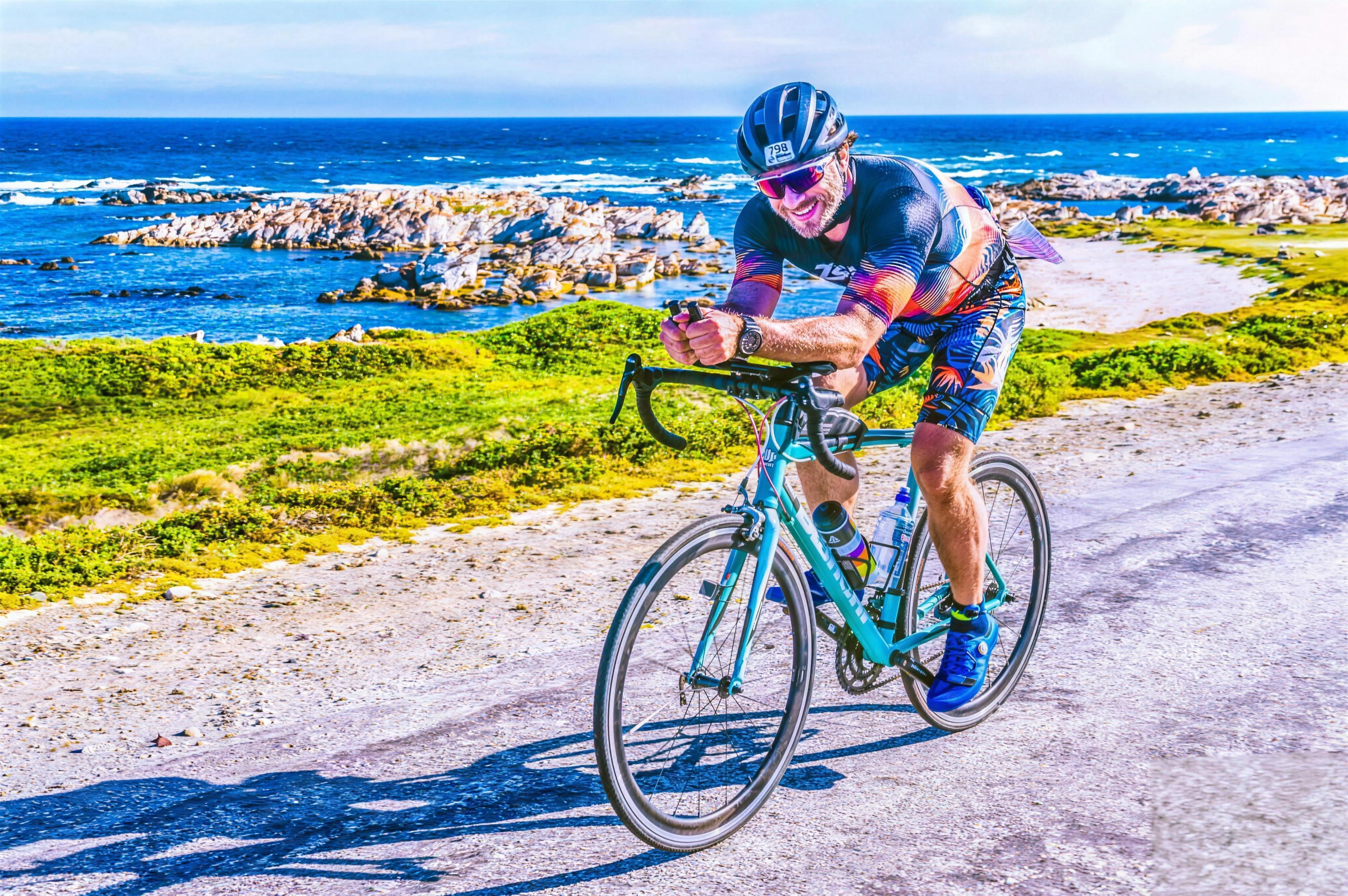
Mateusz Romanowski cycling during a triathlon beside the ocean
At work. In sport. In life.

Every step
matters

Mateusz W. Romanowski, PhD
Physiotherapist. Entrepreneur. Ironman.

Discover my journey
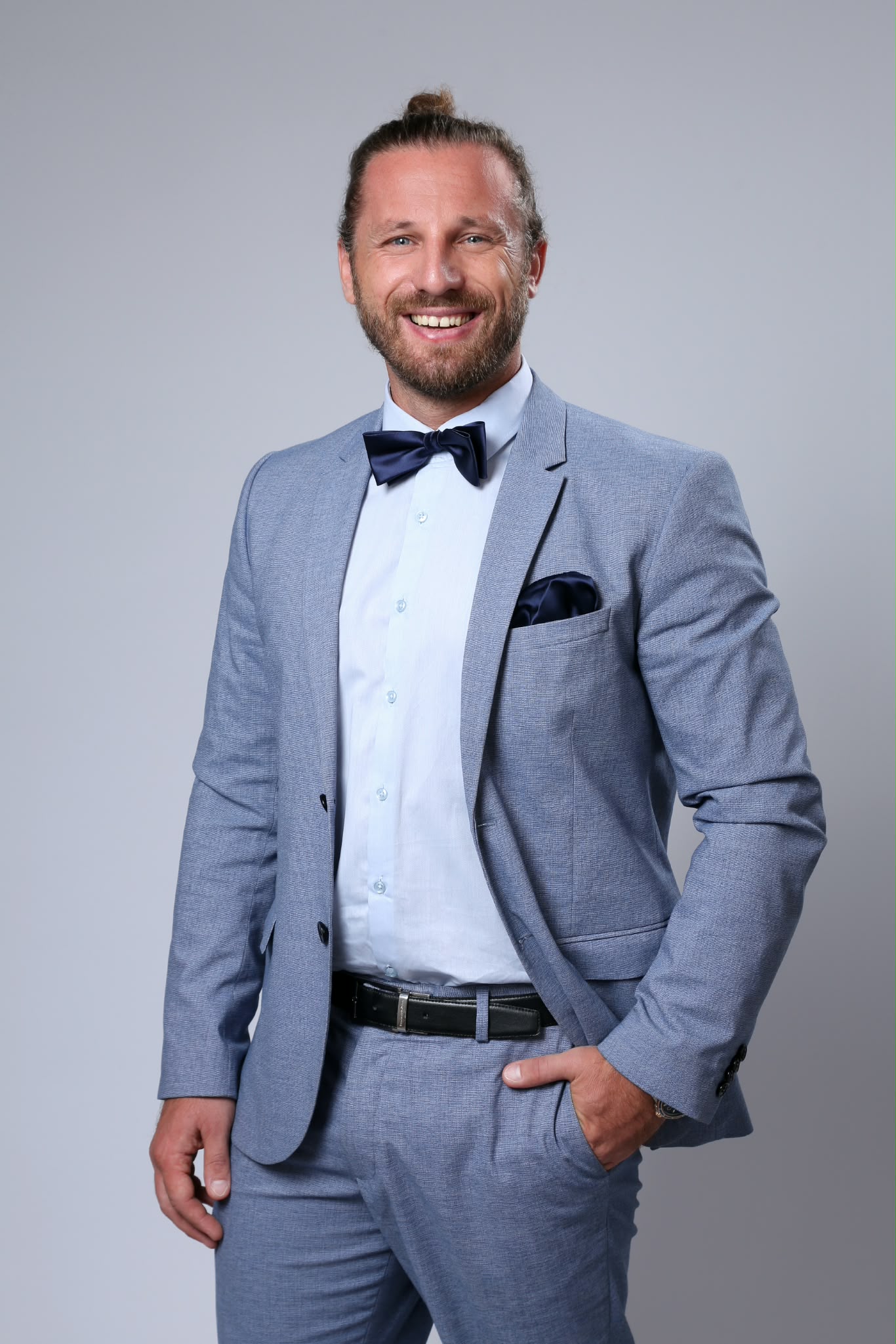
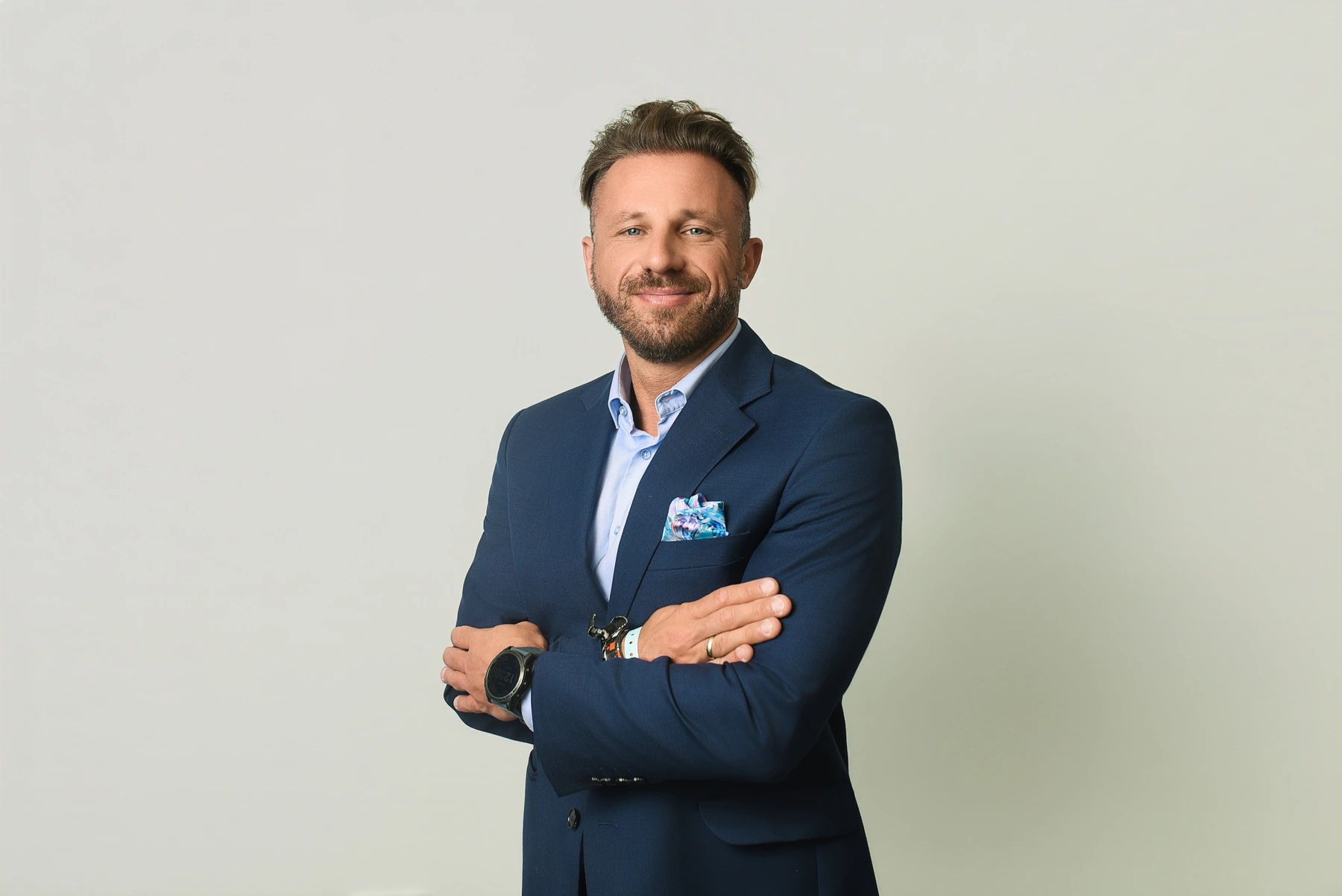
Portrait of Mateusz W. Romanowski
Think differently

I believe in people and in the power of consistent work. Quick, easy results have never fascinated me. The greatest satisfaction comes from the journey – one that requires patience, learning and the courage to correct my own mistakes. I learned the way I think and act today around the family table: through everyday conversations, watching the decisions my loved ones made and the way they treated other people.

01 /About me

What I do
What I believe in

Portrait of Mateusz W. Romanowski
Knowledge. People. Action.

About me

Quick, easy results have never fascinated me. Joy and satisfaction come from the journey – one that requires patience, learning and correcting my own mistakes.

My aim is to create organisations where everyone is treated with respect and has the opportunity to grow, and where mistakes can and should be discussed so that we can learn to work better.

Endurance sport and every project that calls for consistency remind me that good results come from patience, discipline and daily work.

What matters to me

Years of experience and training have taught me that leadership is not about being the most important person in an organisation. It means creating the conditions in which other people can make good decisions, develop and take responsibility.

I am fascinated by work that will produce results for years and bring real value to others. WCF is a company I created with a group of people, founded on these values. We started with a single practice; today, several hundred people work here, supporting children and adults across Wielkopolska. It is more than an organisation. It is a way of thinking about the people we help, about medicine, education and our responsibility for developing future generations of specialists.

Great organisations are built through thousands of small, sound decisions made every day, and through cooperation between people with different perspectives.

The greatest success is not the number of projects or the positions we hold. It is leaving behind people and organisations made stronger by cooperation, responsibility and conversations between people who can see the world differently. Differences of opinion, combined with mutual respect, often become a catalyst for change and growth.

Who am I today?

My family reminds me every day why I work and why it is worth becoming a better person.

I am a physiotherapist because I have always believed that helping people regain their physical abilities also means helping them regain independence, dignity and quality of life.

I am an entrepreneur because creating organisations fascinates me. I enjoy building teams, developing people and watching a well-designed environment help others achieve things they once thought impossible.

I am an Ironman. Daily training and the IRONMAN distance have taught me that the biggest goals come from discipline and consistency rather than motivation alone. I bring these experiences into family life, work and managing an organisation.

I enjoy reading, asking questions and looking for answers. Philosophy, psychology, science and the biographies of people who changed the world inspire me. Increasingly, I believe that we are defined not by individual successes or failures, but by the values we remain faithful to every day.

Professional journey

Medicine, research, education and management – for more than 20 years, I have worked at the intersection of these four worlds. I hold a PhD in physical culture sciences, am a specialist physiotherapist and qualified osteopath, and have completed an Executive MBA in healthcare management.

Education

My education had an international dimension from the beginning. In 2001–2002, I attended East Central High School in San Antonio, Texas. From 2005 to 2010, I completed my master's studies in physiotherapy at the University School of Physical Education in Poznań. During the 2008/2009 academic year, a scholarship enabled me to spend a semester at Charles University in Prague.

From 2010 to 2014, I undertook doctoral studies at the University School of Physical Education in Poznań, gaining my PhD in physical culture sciences in 2014. Alongside this, I studied at Sutherland College of Osteopathic Medicine from 2007 to 2013. I qualified as a specialist in physiotherapy in 2015 and as an osteopath the following year.

In 2023, I completed an Executive MBA in healthcare management at SWPS University.

Research and practice

I began in clinical practice, working as a physiotherapist at the Celsus Specialist Medical Clinic in Poznań from 2010 to 2012. Since 2007, I have run my own physiotherapy and osteopathy practice, which gradually grew into an organisation working across health, medicine and education.

From 2014 to 2022, I was an assistant professor in the Department of Physiotherapy at Poznań University of Medical Sciences. Since 2021, I have led its postgraduate programme in Physiotherapy in Adult Neurology. Since 2025, I have also led the Structural Integration – Diagnosis and Therapy postgraduate programme at the University School of Physical Education in Poznań.

I contribute to bodies that assess educational quality. Since 2015, I have been an employers' expert for the Polish Accreditation Committee. In 2015, I also served as a physiotherapy expert for Lithuania's SKVC (Centre for Quality Assessment in Higher Education). From 2018 to 2023, I was a court-appointed expert in physiotherapy and medical rehabilitation at the Regional Court in Poznań.

Management

From the start of my career, I have been interested in both treating people and building organisations that enable medicine to develop on a larger scale.

Today, I manage more than a dozen entities in healthcare, education and medical services. Since 2007, I have led an organisation whose name and scope have changed over the years; since 2023, I have been General Director of WCF Zdrowie Medycyna Edukacja. Since 2023, I have been President of the Management Board of Wielkopolskie Centrum Medycyny Rodzinnej, and since 2024, of WCF CUW as well. From 2023 to 2025, I led Wielkopolskie Centrum Opieki Okołoporodowej. Since 2024, I have also led a WCF unit accredited by the Centre of Postgraduate Medical Education (CMKP) to provide specialist training in physiotherapy.

Previously, I served as director of the Równy Start non-public primary school, director of the Równy Start non-public therapeutic preschool, deputy director of the Spektrum non-public rehabilitation preschool and vice-dean of Podkowiańska Wyższa Szkoła Medyczna.

Professional community

I also work to develop the physiotherapy profession. From 2019 to 2022, I was a member of the Polish Chamber of Physiotherapists' working group on specialist fields. From 2023 to 2026, I served on the National Council of Physiotherapists as a representative of Wielkopolska. In 2023–2024, I was President of the Polish Society of Manual Medicine. I currently sit on the National Council of the Polish Society of Physiotherapy and on the National Council of Physiotherapists' working group for international cooperation. Since 2018, I have been President of the Wielkopolska Branch of the Polish Society of Physiotherapy.

Today

I combine three perspectives: entrepreneur, practitioner and researcher. I develop organisations in health and education, invest in people and skills, and create solutions that serve patients and specialists over the long term.

People whose journeys resonate with me

I have encountered many inspiring people along the way. Their stories and ways of thinking have had a particular influence on how I see life, work and development. They are not my idols. What resonates with me is their values, consistency and approach to decision-making.

Michael Phelps – consistency stronger than talent

Michael Phelps. Of course, his achievements as a swimmer impress me. But I am even more fascinated by the journey that took him there.

His story strengthened my belief that true mastery always requires sacrifice. You cannot achieve exceptional things without giving up some other possibilities. Every major decision involves a choice. At the outset, there is never any guarantee that years of hard work will bring success. Even so, you have to choose the same path again every day. I strongly identify with Phelps's approach to continuous development. It is not simply about improving in your discipline. The process of systematic work itself develops character, patience, mental resilience and the ability to deal with adversity. Even when results take time, the person grows stronger.

I also have enormous respect for his story after retirement. Phelps spoke openly about his crises, mental health difficulties and moments when he felt he had lost everything. Many people thought his time had passed. Yet he returned, won Olympic gold medals again and showed that mistakes, failures and difficult periods do not define a person.

That resonates deeply with me. I believe we should not live according to other people's opinions. There will always be people who say it is too late or that something cannot be done. But if you do what you truly love, are prepared to work hard and follow your path consistently, you can achieve far more than most people think possible.

Vladimir Horowitz – mastery built every day

Vladimir Horowitz fascinates me not only as one of the greatest pianists in history, but above all as someone who achieved absolute mastery through an uncompromising approach to the quality of his work.

What moves me most about him is his lack of false modesty. He did not hide his talent or the level he had achieved. He did not build his position through arrogance or displays of superiority. His abilities spoke for him. First came the work, then the fame. I feel close to this approach. I admire his pursuit of perfection. Horowitz was not satisfied with being ‘very good’. Every detail mattered. I see development in the same way, whether in physiotherapy, managing an organisation or building a team.

The relationship between mentor and student also matters deeply to me. I believe knowledge has its greatest value when it is passed on. That is why teaching, developing people and watching them succeed gives me enormous satisfaction.

Horowitz combined the world of art with pragmatism. Together with his wife, he not only built a great artistic career but also managed it wisely. This shows that passion and the highest quality can go hand in hand with responsibility and good management.

Barack Obama – leadership grounded in responsibility

Barack Obama inspires me not because he became President of the United States, but because of how he got there. He did not come from a political dynasty. He built his position patiently and consistently, with a strong belief that the world can be changed through daily work and bringing people together around shared values.

His approach to family also resonates with me. His relationship with Michelle Obama shows that, even while holding one of the world's most important offices, a person can remain a good husband, father and partner.

One story has stayed with me in particular. Michelle recalled waking in the middle of the night during work on healthcare reform and seeing Barack standing by the window. She asked why he was not sleeping. He said he was thinking about how to create a better healthcare system for millions of people. That speaks to me. In the evenings, I too often find myself thinking about WCF, the people I am responsible for and how to develop the organisation further.

I value Obama's respect for people, his ability to listen and his skill in building teams. I believe a true leader is not someone who stands above others, but someone who brings out the best in them.

02 /Family and roots

Values
I learned
at home

The roots I return to.

The values I learned at home

I learned how to think and act around the family table – through everyday conversations, the way my parents treated each other and other people, and watching the decisions they made when nobody was looking.

I do not believe that values can be built from books, training courses or conferences. They can inspire us, broaden our horizons and teach us to think, but the foundations of character are formed much earlier.

My parents and grandparents taught me that everyone deserves respect and honesty, regardless of their position, age or background. In our home, success was never an end in itself. It was a way to create something worthwhile – in keeping with our values and for the benefit of others.

These values are my compass. They guide me as a father, entrepreneur, physiotherapist and leader. Many things in my life have changed over the years, but this foundation has remained the same.

My heritage

I grew up in a family where medicine, research, education and community involvement were, and still are, an important part of life. They were never simply jobs done from Monday to Friday. They were a way of looking at the world, rooted in a sense of responsibility for other people.

After years of conversations with my parents and grandparents, I understood that authority does not come from academic titles or positions. I never saw my family's achievements as a burden or a source of pressure. On the contrary, they were a tremendous inspiration. They showed me the value of expecting a great deal of myself while remaining kind to others.

My family helped me understand that knowledge only has meaning when it translates into real help for another person. This is why physiotherapy, education and building organisations that make a real difference to people's lives became my natural direction.

When creating WCF, developing new projects, organising conferences or getting involved in the community, I often return to what I learned at home. I do not try to copy previous generations. I try to continue their way of thinking while responding to the challenges of today's world.

Family tree

The people who shaped my values

My father – Wojciech Romanowski, MD, PhD

A specialist in rheumatology, regional consultant in rheumatology and long-serving director of the Rheumatology Hospital in Śrem. From an early age, I observed what it means to be responsible for a large healthcare institution. I saw the daily work of a doctor, but also of someone managing a team, making difficult decisions and ensuring the hospital's development. My father taught me responsibility for people, courage in decision-making and the belief that a leader should be present especially when times are hardest. He also showed me that authority is built over years – through competence, honesty, composure and consistency.

My mother – Agnieszka Romanowska, MD, PhD

A specialist in rheumatology who taught me that medicine always begins with the person: with a conversation and attentive listening. Through her, I understood that professionalism should never come at the expense of humanity, and that caring for others is a value that extends far beyond the consulting room.

Grandma Bożenka – Bożena Romanowska

My grandmother held the family together every day through her presence, calm and care for others. From her I learned excellent time management, self-confidence and boundless love for those closest to me.

Grandpa Wiesiek – Wiesław Romanowski, MD, PhD

A specialist in rheumatology, founder and long-serving director of the Rheumatology Hospital in Śrem, which he led for thirty-eight years.

He was one of the people who helped build Polish rheumatology not only by treating patients, but above all by creating a strong medical centre founded on empathy, care for patients and staff, and the highest standards of treatment.

Grandpa Jan – Professor Jan Stankowski

An outstanding Polish physicist, professor of physics, member of the Polish Academy of Sciences and co-founder of its Institute of Molecular Physics in Poznań. He specialised in solid-state physics, electron paramagnetic resonance (EPR) spectroscopy, magnetism and molecular physics. His research made an important contribution to science both in Poland and internationally.

My grandfather's story shows that a person's path is not always straightforward. He left school in his second year of secondary education to work in his father's watchmaking workshop. Encouraged by his older siblings, he returned to school. There he met an exceptional physics teacher who awakened his passion for understanding the world, while his older brother gave him Arkadiusz Piekara's book ‘Mechanika ogólna’, further strengthening that fascination.

My grandfather helped me understand that a person's future is determined not by where they begin, but by curiosity, the courage to choose and change their own path, and perseverance in developing their talents.

He often told me about his mentor, Professor Piekara, with enormous respect, gratitude and genuine emotion. In my grandfather's stories, Professor Piekara was much more than a distinguished scientist. He shaped his way of thinking, showed him what responsibility for science means, and demonstrated the immense value of passing knowledge on to future generations.

Later, my grandfather supported others' development with the same passion, belief and commitment. He believed in their potential and celebrated their successes. Watching his approach, I understood that the relationship between mentor and student goes far deeper than sharing knowledge. It involves responsibility for another person, belief in their abilities and leaving behind people capable of going even further.

It was Grandpa Jan who instilled in me such deep respect for this relationship. Today, as a leader and entrepreneur, I try not only to share knowledge but, above all, to help others develop their potential – just as my grandfather once did.

Grandma Jadwiga – Professor Jadwiga Stankowska

A professor at Adam Mickiewicz University in Poznań and an outstanding physicist who spent many years researching crystal physics and the structure of matter. Her scientific work exemplified extraordinary rigour, patience and intellectual discipline. She showed that great discoveries arise from curiosity about the world, systematic work and the courage to ask questions. From her I learned that scientific progress requires humility, perseverance and a willingness to keep searching for truth. Despite her impressive academic career, she created a home full of warmth, kindness and closeness, which I always loved visiting.

Uncle Leszek – Professor Leszek Romanowski

A professor of medical sciences, outstanding hand surgeon, academic teacher and one of Poland's most respected specialists in his field. For years, he has combined clinical work with research and teaching, showing that development never ends. To me, he represents the pursuit of mastery, humility towards knowledge and responsibility for educating future generations of doctors.

Great-great-grandfather Stefan – Stefan Jan Nepomucen Wielowieyski

An entrepreneur, community activist and parliamentarian. An important figure in our family history, representing a generation for whom honesty, responsibility, diligence and respect for others were a natural way of life. His example reminds me that enduring values do not change over time. Character, consistency and responsibility remain the foundation of everything we build.

03 /WCF

An organisation
built
on values

WCF – an organisation built on values

I created WCF because I wanted to build a place where patients receive the care I would want for myself. I believe that treatment involves more than the highest quality of medical services. Kindness, good communication, education, support from loved ones, accessibility and a holistic view of the patient are equally important. The size of the organisation was never my priority. What mattered more was creating a place where staff have meaningful relationships with one another and patients can trust them.

Deepening our knowledge, educating our team and nurturing our working culture are important parts of our mission. As a team, we organise scientific events and conferences, support the development of future generations of specialists, take part in charitable work and sponsor sport.

Discover WCF
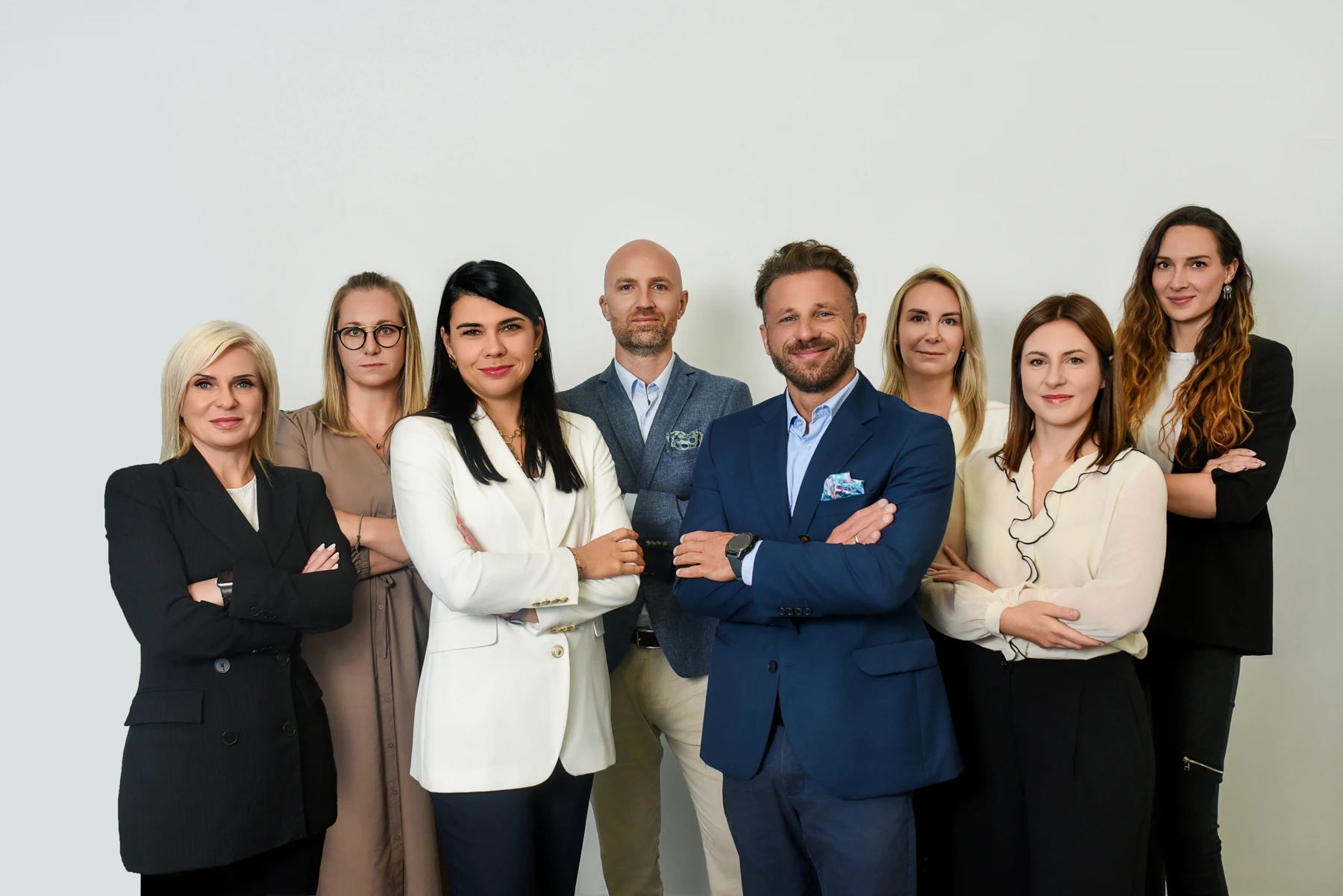
The WCF management team
People make an organisation.
From a small business to a large organisation

When we are in the midst of an organisation, putting our knowledge and energy into making it work every day, we do not notice how much has changed over the years. That change did not happen in a single day. There was no moment when a small business suddenly became a large organisation. There were hundreds of smaller decisions, new people, new places, new contracts, new responsibilities and problems that simply had not existed before. Today, looking back on that journey, I can see its scale.

At first, I worked alone: providing therapy, settling payments for services, answering calls from patients and booking appointments, preparing a tender for the National Health Fund and drawings of treatment rooms for the contractor, reading and implementing healthcare regulations, and keeping an eye on finances. As more patients placed their trust in me and their numbers grew, I offered my wife a job. Initially, she handled service settlements and answered phone calls. As the number of patients continued to grow, Joanna also began providing physiotherapy in patients’ homes.

Then came the first receptionist, more people, managers, HR, accounting, administration, coordinators and teams responsible for further areas of the organisation. Our medical activities grew alongside them. We started with one contract for home physiotherapy. Today, WCF comprises around 30 locations, around 20–23 contracts for home and outpatient physiotherapy, four day units, two primary care practices and private services. Around 1,500 patients receive rehabilitation, while around 15,000 patients are under the care of our primary care practices. Behind all this is a team of several hundred people.

A handyman as a measure of scale

For me, however, one of the clearest symbols of this change is not the number of contracts or employees, but having our own handyman. Once, while visiting my father at the hospital, I thought that one day I would like to run a company large enough to employ someone who would have a full day's work repairing, installing, transporting and keeping our premises in good condition. At the time, that seemed like the sign of a truly large company. Today, we have that person.

Paradoxically, it is these small things that sometimes make me feel the scale of what we have built more clearly than the numbers do. A company must already be a substantial organisation if it needs its own HR, accounting, finance, marketing, IT and legal teams, as well as people responsible for quality, safety and investment.

When growth creates organisational debt

As the organisation grows, however, a problem emerges that I think about increasingly often: organisational debt. An organisation can grow faster than its structure for a long time. We can win new contracts, hire people, open locations and add services while relying on individual commitment to compensate for gaps in the organisation.

Someone remembers, someone reminds, someone checks, someone knows whom to call, and someone takes on one more task. For a while, it works – especially when you have excellent, responsible people. The problem appears when we try to apply a way of working suited to a few dozen people to an organisation of several hundred.

Commitment needs a system

At some point, commitment alone is no longer enough. We need structure, good managers, the right people in the right roles, clearly defined responsibilities and decision-making authority. We need measures, standards and processes. Not to create more bureaucracy, but because at a larger scale an organisation cannot depend on the memory and goodwill of a few exceptionally committed people.

This is one of the most important lessons I have learned from building and developing WCF: a system is not the opposite of commitment. A good system helps us make better use of people's commitment. If the most dedicated employees are constantly filling organisational gaps, their energy goes into firefighting instead of development. The system's role is to create conditions in which people can focus on where they truly add value.

The right people are not enough

For years, I felt close to Jim Collins's approach: first the right people, then the direction. Today, I understand that principle a little differently. Finding the right person is no longer enough. We also need to create an organisation where that person knows what they are responsible for, what authority they have, where the limits of their decisions lie and which decisions they will be accountable for. This is also a matter of respect for the people who choose to work with us and for us.

Even the best people cannot keep delivering good results for years within a poorly designed organisation.

The leader's role changes with scale

The leader's role also changes with scale. With a handful or a few dozen people, you can still do many things personally: remember, check, intervene and understand most of the organisation's problems. With several hundred people, that becomes impossible and irresponsible. After all, as leaders we are responsible for our teams.

At that stage, a good leader is no longer primarily the person who solves the most problems personally. They are the person who builds an organisation capable of solving problems without their constant presence.

This requires trust, but also clarity about responsibility. If we give someone trust and responsibility, we must allow them to make decisions. We can measure results, monitor quality and discuss mistakes, but we cannot simultaneously take away their right to decide. Otherwise, responsibility exists only on paper.

The next stage requires a different approach to management

Looking at WCF's development, I can see that the greatest change is not simply the number of contracts, facilities, patients or employees. What is far more interesting is what that scale demands of the organisation and the people who manage it. The approach that brought us to one point may not be the one that takes us through the next stage.

That is why today we do not want to build WCF by giving our most committed people ever more tasks, or by believing that someone will always remember. We want to build an organisation where responsibility has a clear place, people understand their authority and boundaries, decisions are made at the right level, and processes and systems help people do their work well.

Because organisational growth is not simply more facilities, patients, employees and revenue. It must also mean growth in the organisation's ability to organise itself.

Perhaps this is one of the hardest moments in a company's development: understanding that an organisation built through people's immense commitment now needs an equally strong commitment to building its structure. In truth, I know that the work of building an organisation's structure never ends. When we are inside it, putting our knowledge and energy into making it work every day, we can fail to notice how much change is happening all the time.

What do I believe in as a leader?

I believe that organisational culture does not happen by chance. It is created every day: through how we talk, make decisions, handle difficult situations and treat other people. This is how we create the conditions for responsibility and long-term action.

I believe that respect and high expectations do not contradict each other. They reinforce each other. The best organisations emerge when people feel valued and know they are part of something larger, and when the quality of their daily work determines the strength of the whole organisation.

The Hedgehog Concept – Jim Collins's strategic approach to business

WCF was built around this one simple idea. We do not try to do everything. We focus on what we can be truly exceptional at. We bring together three elements: what creates real value for patients, what we can do to the highest standard, and what allows the organisation to grow responsibly over the long term. This is why we develop consistently, without arbitrary decisions or chasing short-lived trends. Every new project must answer one question: does it bring us closer to fulfilling our mission?

04 /Health and education

WCF activities

Find out more: wcf.pl

Health and medical services

At WCF, we provide services funded by Poland's National Health Fund (NFZ), as well as private care. Our facilities include:

3 day rehabilitation units for children with developmental disorders

ul. Bohaterów II WŚ 33, Poznań

ul. Wschodnia 7, Śrem

ul. Adama Mickiewicza 2a, Golina k. Konina

1 day rehabilitation unit for adults

ul. Bohaterów II WŚ 33, Poznań

15 outpatient physiotherapy facilities

ul. Łomżyńska 1, Poznań

ul. Zagrodnicza 30, Poznań

ul. Polska 13, Poznań

ul. Żmigrodzka 41/49, Poznań

ul. Garczyńskiego 15/17, Poznań

ul. Szamotulska 29, Rokietnica

ul. Wschodnia 7, Śrem

ul. Wrzesińska 14, Gniezno

ul. Fromborska 24, Września

os. Zamoyskiego 3/U3, Zalasewo

ul. Wrzesińska 41, Swarzędz

ul. Innowatorów 8, Dąbrowa

ul. Wyzwolenia 1A, Opalenica

ul. Kazimierza Odnowiciela 19, Pobiedziska

ul. Sarnowska 2, Rawicz

4 non-public psychological and educational counselling centres

os. Lecha 43, Poznań

ul. Zagrodnicza 30A, Poznań

ul. Wschodnia 7, Śrem

ul. Mickiewicza 2a, Golina

2 primary care clinics

ul. Milczańska 5, Poznań

ul. Piątkowska 94, Poznań

Home physiotherapy across Wielkopolska, including 7 main areas

Poznań County

City of Poznań

Śrem County

Konin County

Gniezno County

Września County

Grodzisk Wielkopolski County

Comprehensive Children’s Rehabilitation Centre

os. Lecha 43, Poznań

Neurological Rehabilitation Centre

ul. Zagrodnicza 30, Poznań

WCF Specialisation Centre

ul. Grottgera 34b/1, Śrem

Education

Knowledge we share with others.
Physiotherapy specialisation – CMKP accreditation

WCF is one of three institutions in Wielkopolska offering this type of education, combining teaching experience with a practical approach to modern physiotherapy.

Specialist training in physiotherapy prepares practitioners to provide comprehensive rehabilitation by deepening their knowledge, developing practical skills and building the competencies needed to work with patients.

Specialisation information
Postgraduate studies

Physiotherapy in Adult Neurology at Poznań University of Medical Sciences

The postgraduate programme prepares practitioners to use physiotherapy safely and effectively in adult neurology, drawing on current knowledge and high educational standards. Classes are taught by experienced, practising specialists who combine teaching with clinical work.

Course information

Sensory Integration at the University School of Physical Education in Poznań

The postgraduate programme in sensory integration prepares practitioners for diagnostic and therapeutic work with children and adults with sensory processing difficulties. It combines theoretical knowledge with practical skills to support effective, individually tailored therapeutic interventions.

Course information
WCF conferences
01

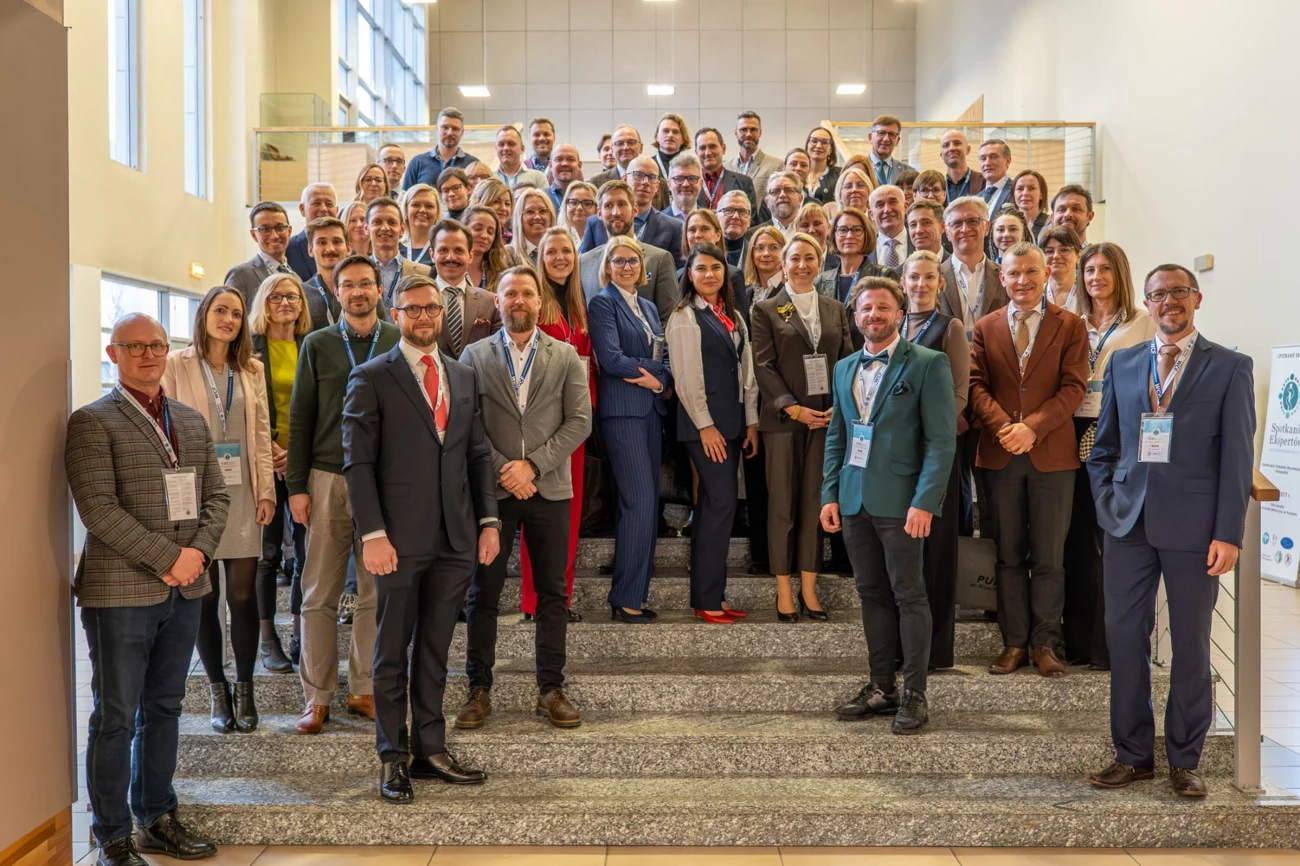
Spotkanie Ekspertów

Spotkanie Ekspertów is an annual event where specialists in physiotherapy, orthopaedics and rheumatology exchange knowledge and experience. It highlights the importance of cooperation between doctors and physiotherapists in making treatment more effective and improving patients' quality of life.

spotkanieekspertow.pl
02

Dzień Osteopaty

Dzień Osteopaty is a conference dedicated to osteopathy as an integrated clinical approach to diagnosing and treating musculoskeletal disorders.

dzienosteopaty.pl
03

ChildŚrem

ChildŚrem combines practical workshops and research, focusing on the mental health of children and adolescents. It provides a space to share knowledge and experience in response to growing challenges affecting young people's mental wellbeing.

Childsrem.pl
04

ChildPoznań

ChildPoznań is a national conference at the University School of Physical Education in Poznań, devoted to the development of the child's nervous system. Bringing together research and practice, the event gathers specialists from different disciplines to discuss ways of supporting children's potential and development from an interdisciplinary perspective.

childpoznan.pl
05

NeuroPoznań

NeuroPoznań is a research and training conference on neurological physiotherapy, informed by the latest studies and experts' clinical experience. It offers a forum for specialists, practitioners and students interested in modern approaches to neurorehabilitation to exchange knowledge.

neuropoznan.pl
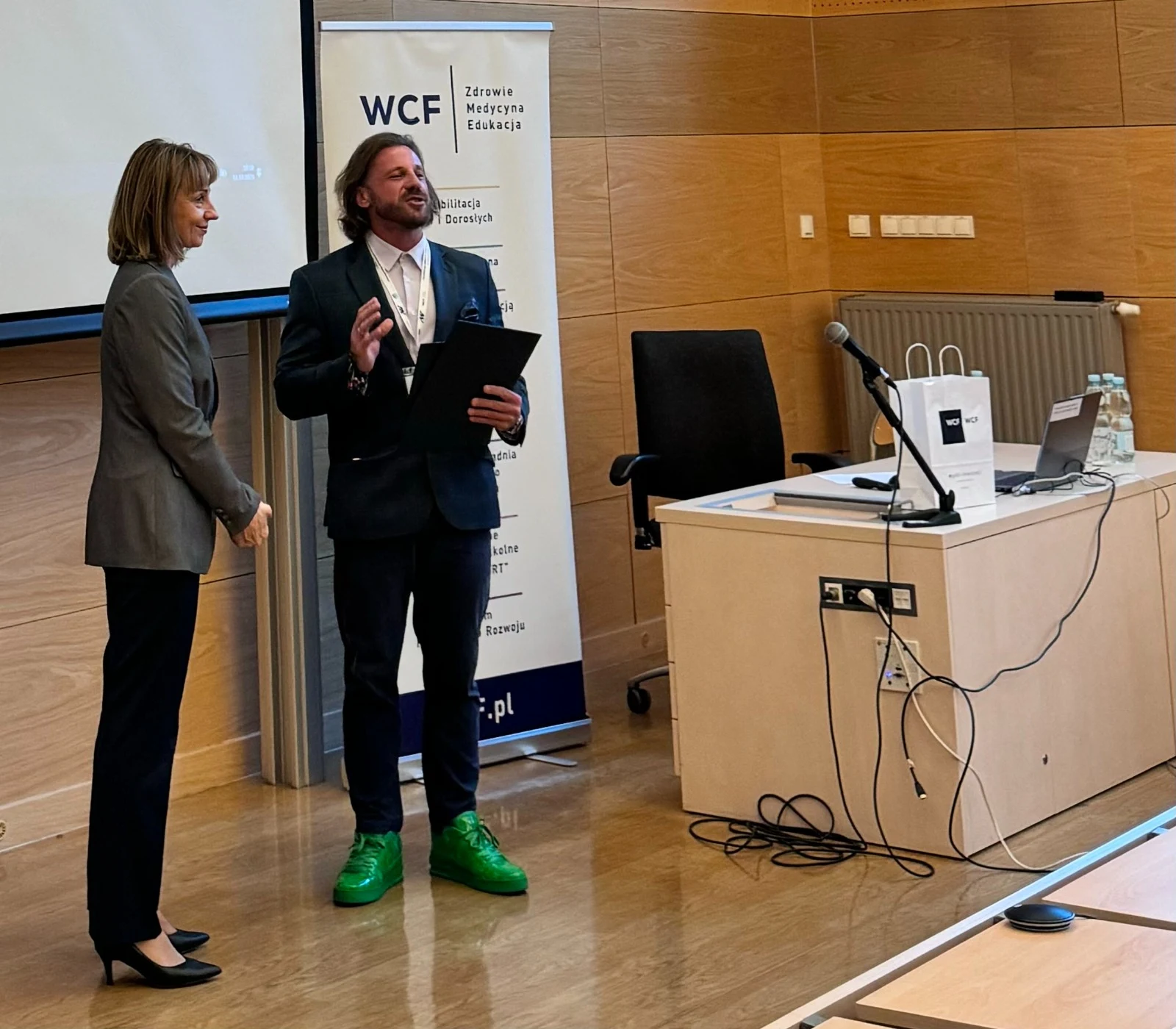
Mateusz Romanowski speaking at a WCF lectern
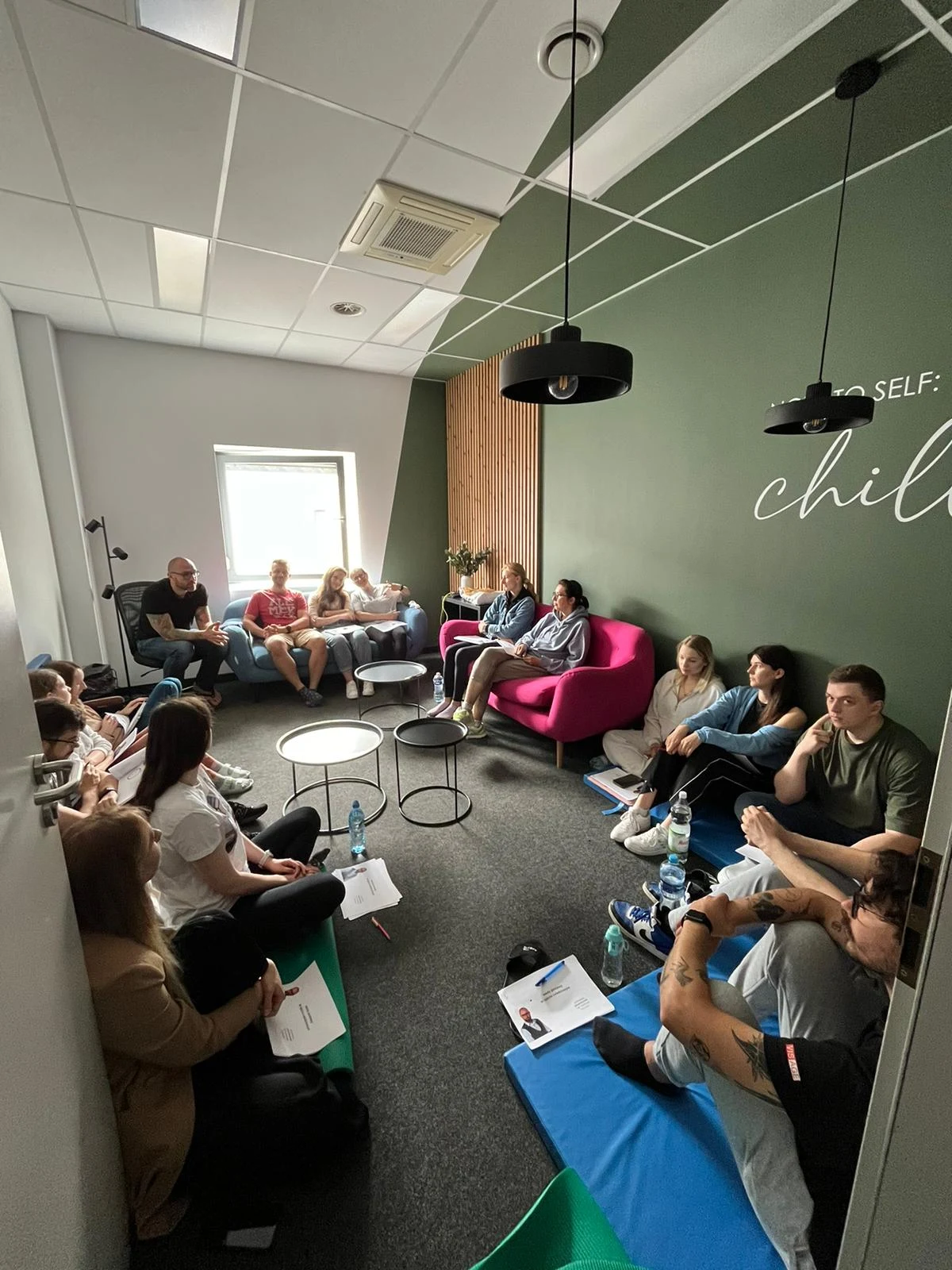
A training session at a WCF facility
05 /Community

Cooperation,
sponsorship,
community
support

Community involvement, helping others and supporting initiatives that make a positive difference to people's lives are, to me, a natural part of responsibility.

I believe that if we can use our knowledge, experience, time or resources to help others, we should.

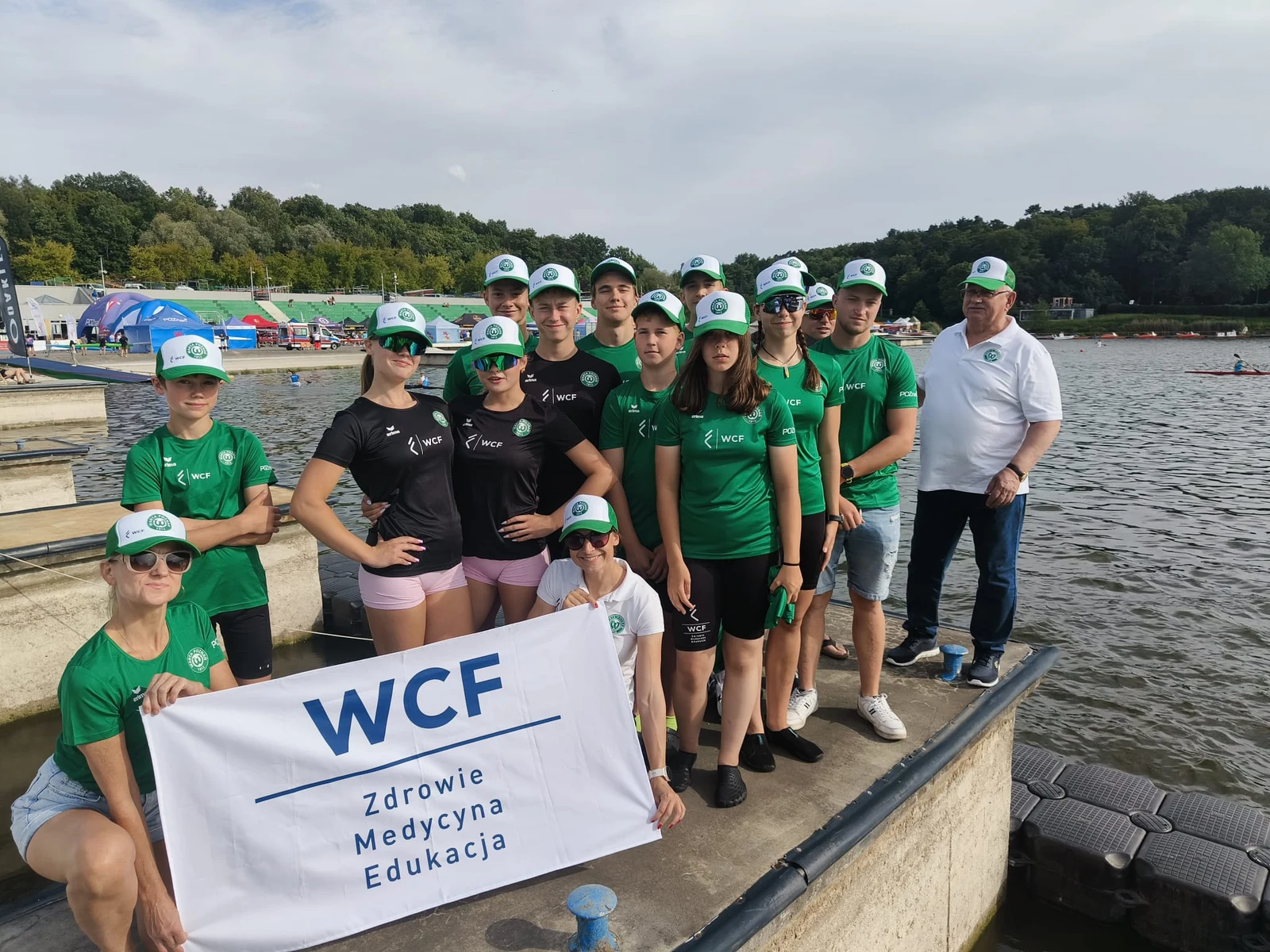
That is why we take part in community projects and support people and organisations for whom health, development and activity are especially important. Supporting sport is a significant part of WCF's involvement, particularly initiatives that encourage physical activity, consistency, young people's development and the values sport can build.

Wielkopolska is where I develop my work every day, but I have a particular connection with Śrem. That is why I gladly support local initiatives, especially those focused on sport and the community.

Organisations and initiatives we support

  • Warta Poznań
  • Śremski Klub Bokserski Warta
  • Śremski Klub Unihokeja
  • KS Taekwondo Rapid Śrem
  • Tytan Gniezno
  • Klub Hokejowy Wilki
  • Pomocna Dłoń w Śremie
  • Runner’s Power
  • KTM Therapy Camp

Projects and initiatives

Health. Education. Community.
06 /Going the distance

Direction matters
more
than pace

Distance changes perspective – in sport and beyond

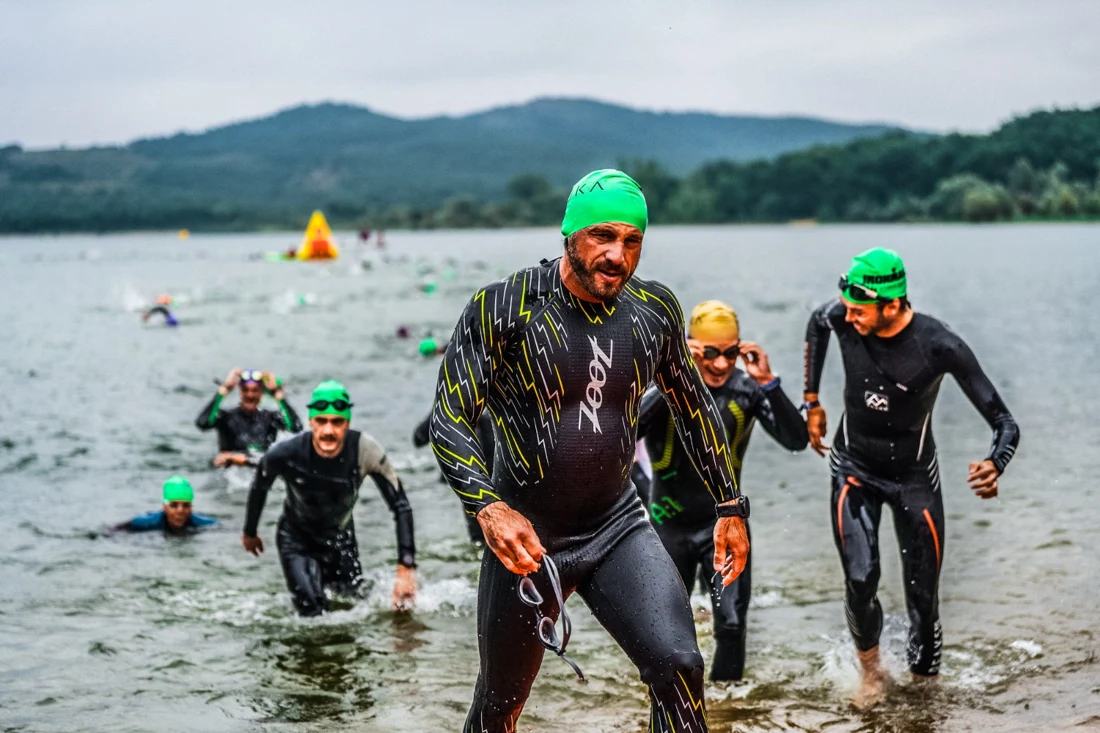
Triathletes leaving the water
3.8km swim
180km bike
42.2km run

IRONMAN

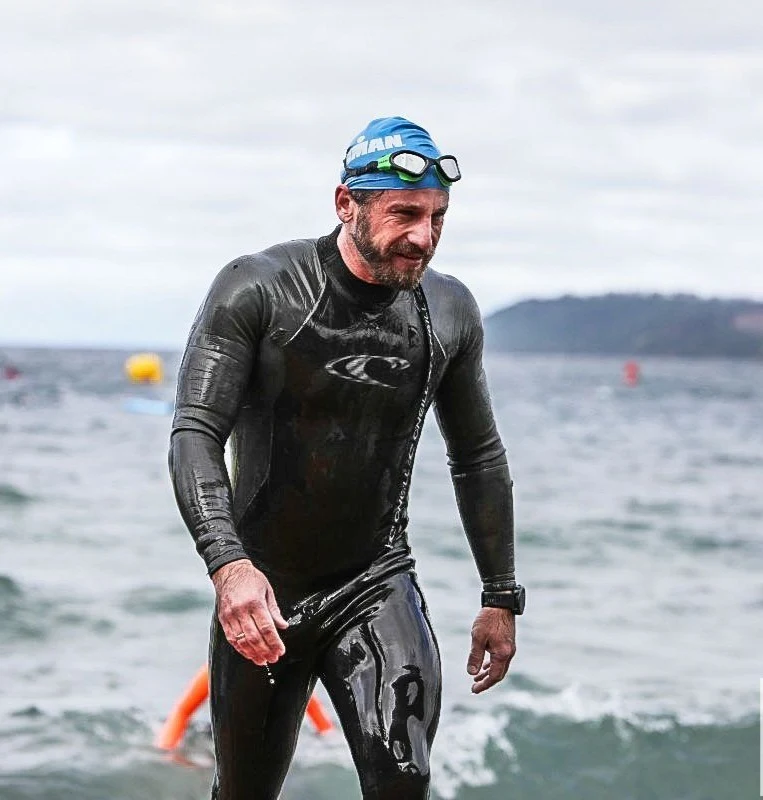
Daily training is part of my life. It is when I find it easiest to organise my thoughts. While running, cycling and swimming, I have come up with many of the things I now put into practice. I am grateful that my loved ones understand my wish to train regularly, and it makes me happy when they cheer me on.

IRONMAN is one of the most demanding challenges in endurance sport. A 3.8 km swim, 180 km bike ride and 42.2 km run require not only physical preparation but, above all, patience, consistency and humility.

What IRONMAN teaches me

IRONMAN has never been just a race for me. It helped me understand that dreams are realised through everyday decisions, regular work and a willingness to do what needs to be done, even when it is difficult.

Every training session offers a lesson. Sometimes it shows progress; sometimes it reminds us of our limits. It is worth learning to draw conclusions, correct mistakes and patiently build fitness.

This experience often returns to me beyond sport. In work, organisational management and personal life, I see the same principle: lasting results grow from small, consistent actions taken every day.

IRONMAN showed me that we cannot always control the circumstances, but we can always influence our preparation, attitude and the decisions we make along the way.

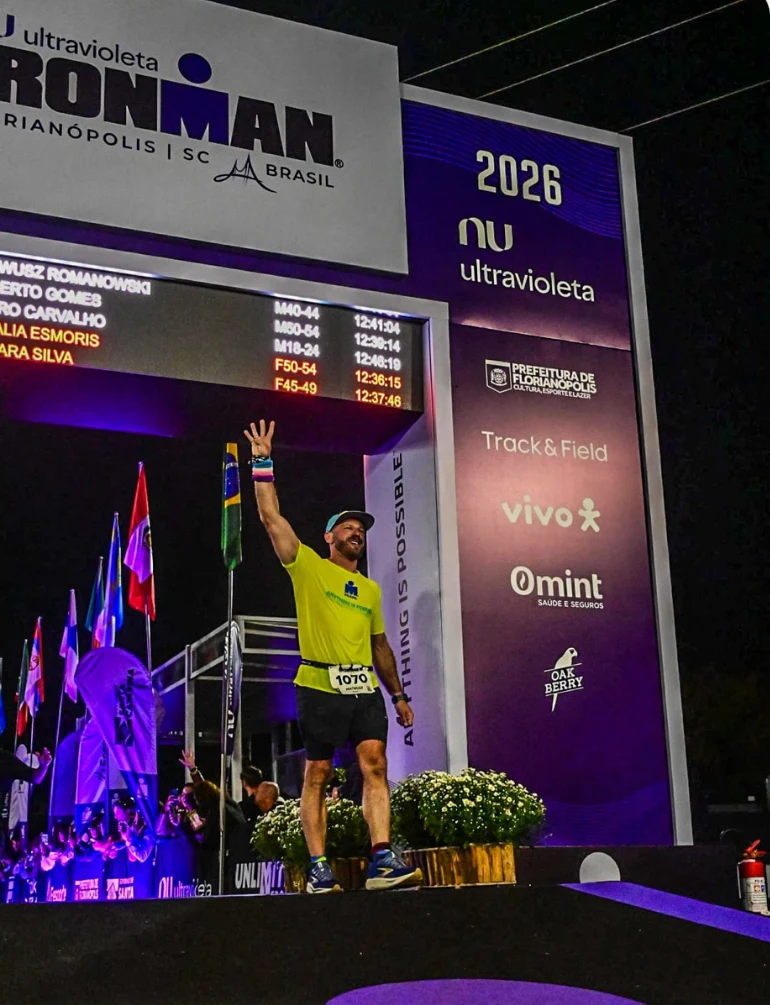
IRONMAN also taught me one of life's most important lessons. After the swim and bike stages, there comes a moment when I begin the marathon. That is when the finish line seems furthest away. Every step is slow, the road seems endless and the goal still feels distant. In those moments, I understood that you cannot cover the whole distance at once. You can only take one more step. And it is those individual steps, repeated with patience and consistency, that ultimately bring you to the finish. This lesson reminds me every day that our greatest goals are achieved through perseverance and daily progress rather than spectacular bursts of effort.

IRONMAN races · 2018–2026

Cervia, Italy – 2018

Copenhagen, Denmark – 2019

Nice, France – 2021

Hamburg, Germany – 2022

Klagenfurt, Austria – 2022

Cascais, Portugal – 2022

Maastricht, the Netherlands – 2022

Gdynia, Poland – 2023

Hamburg, Germany – 2023

Cervia, Italy – 2023

Taupō, New Zealand – 2024

Hamburg, Germany – 2024

Kalmar, Sweden – 2024

Cervia, Italy – 2024

Nelson Mandela Bay, South Africa – 2025

Vitoria-Gasteiz, Spain – 2025

Panama City Beach, FL, USA – 2025

Florianópolis, Brazil – 2026

Tallinn, Estonia – 2026

AWA – All World Athlete Bronze – 2026

Read the race reports
07 /Journal and reports

On the road. At work. In life

Reflections, experiences and stories from along the way.

08 /Research and experience

Publications,
courses and training

My research publications and the experience gained through courses and placements.

Publication titles and bibliographic references are retained in their original language.

Publications

Articles and abstracts in peer-reviewed journals

1. Romanowski M, Rąglewska P. Sposoby radzenia sobie z bólem stawów kończyn i kręgosłupa przez osoby starsze. Praktyczna Fizjoterapia & Rehabilitacja, 2010; 5 ,

2. Romanowski M, Korman P. Osteopatia – jeszcze mało znana wśród ankietowanych lekarzy. Polski Przegląd Nauk o Zdrowiu, 2010; 1: 22.

3. Romanowski M. Możliwość wykorzystania osteopatii w leczeniu fibromialgii. Polski Przegląd Nauk o Zdrowiu, 2011; 3

4. Romanowski M. Łańcuchy mięśniowo-powięziowe. Charakterystyka taśm anatomicznych. Medycyna Manualna 2011; 2

5. Romanowski M. Stabilizacja statyczna i dynamiczna barku w toku postępowania rehabilitacyjnego po jednokrotnym zwichnięciu przednim stawu ramiennego. Leczenie zachowawcze. Fizjoterapia Polska 2011; 11: 1

6. Romanowski M, Rąglewska P, Grześkowiak M. Postępowanie kinezyterapeutyczne w leczeniu chorych na zesztywniające zapalenie stawów kręgosłupa. Praktyczna Fizjoterapia & Rehabilitacja. 2012; 30

7. Romanowski M. Osteopatia uzupełnieniem leczenia chorych z reumatoidalnym zapaleniem stawów. Reumatologia 2012; 50(4): 1

8. Romanowski M, Romanowska J., Grześkowiak M. A comparison of the effects of deep tissumassage and therapeutic massage on chronic low back pain. E-newsletter Currents: Pain Management News and Research. American Academy of Pain Management’s 7/12/2012

9. Romanowski M. Issues that Need to be Addressed in Massage Therapy. Nurs Midwifery Stud. 2012;1(2):109-10. DOI: 10.5812/nms.8773

10. Romanowski M. Kinezyterapia elementem kompleksowej rehabilitacji pacjentów z reumatoidalnym zapaleniem stawów. Polski Przegląd Nauk o Zdrowiu, 2012; 2 (30): 161- 167

11. Romanowski M. Leczenie osteopatyczne w przewlekłym uszkodzeniu stożka rotatorów stawu ramiennego. Medycyna Manualna 2013;1:24-37.

12. Romanowski M. Masaż głęboki i jego wpływ na aktywność choroby oraz sprawność funkcjonalną chorego z zesztywniającym zapaleniem stawów kręgosłupa – opis przypadku. Fizjoterapia Polska 2013 (13); 2 : 42- 47.

13. Romanowski M, Straburzyńska-Lupa A, Romanowska A, Lorenc R. A comparison of the effects of kinesiotherapy and post-isometric relaxation on knee pain in patients with rheumatoid arthritis. Annals of the Rheumatic Diseases June 2014 volume 73, supplement 2, page 1174.

14. Romanowski W, Zdanowska A, Romanowski M. Choroba zwyrodnieniowa stawów – aktualne standardy leczenia (Osteoarthritis – the current standards of treatment). Forum Reumatologiczne 2016;2(2):52-57.

15. Romanowski MW, Špiritovic M, Samborski W (2016) Deep Tissue Massage and its Effect on Low Back Pain and Functional Capacity of Pregnant Women – A Case Study. J Nov Physiother 6:295.

16. Romanowski MW, Dwornik M, Kwaśniewska A, Nowacka K , Samborski W. Ocena wpływu technik osteopatycznych oraz ćwiczeń ruchowych na zakres ruchu oraz odczucie bólu w zamrożonym barku – opis przypadku. (Evaluation of the impact of osteopathic techniques and physical exercises on the range of motion and sensation of pain in the frozen shoulder – a case report). Ból 2016, Tom 17, Nr 4, s. 53-58.

17. Romanowski MW, Špiritović M, Zdanowska A, Kwaśniewska A. Ocena wpływu terapii manualnej na sprawność funkcjonalną rąk chorych z twardziną układową – opis przypadku (Evaluation of the manual therapy effect on hand functional efficiency in the patients with systemic sclerosis – case description). Fizjoterapia Polska. 2016;16(4);14-23.

18. Romanowski MW. Fizjoterapia i terapia manualna chorych z reumatoidalnym zapaleniem stawów ze szczególnym uwzględnieniem stopy. Praktyczna Fizjoterapia & Rehabilitacja. 2017; 80.

19. Romanowski MW. Toczeń rumieniowaty układowy i reumatoidalne zapalenie stawów. Diagnostyka i fizjoterapia. Praktyczna Fizjoterapia & Rehabilitacja. 2017; 82.

20. Romanowski MW, Straburzńyska-Lupa A. Krioterpaia w reumatologii. Praktyczna Fizjoterapia & Rehabilitacja. 2017; 84.

21. Romanowski MW, Špiritović M, Rutkowski R, Dudek A, Samborski W, Straburzyńska-Lupa A. Comparison of Deep Tissue Massage and Therapeutic Massage for Lower Back Pain, Disease Activity, and Functional Capacity of Ankylosing Spondylitis Patients: A Randomized Clinical Pilot Study. Evidence-based Complementary and Alternative Medicine : eCAM. 2017;2017:9894128. doi:10.1155/2017/9894128.

22. Rutkowski R, Gałczyńska-Rusin M, Małgorzata Gizińska M, Straburzyński-Lupa M, Zdanowska A, Romanowski MW, Romanowski W, Budiman-Mak E, Straburzyńska-Lupa A. Adaptation and Validation of the Foot Function Index-Revised Short Form into Polish. BioMed Research International, vol. 2017, Article ID 6051698, 7 pages, 2017. doi:10.1155/2017/6051698.

23. Romanowski MW, Kostiukow A, Majchrzak M, Malak R, Samborski W. Ból dolnego odcinka kręgosłupa u osób starszych. Możliwe przyczyny oraz skuteczność ćwiczeń wzmacniających. Rehab. Prakt. 2018, nr 1, s. 7-18.

24. Špiritović M, Štorkánová H, Oreská S, Šmucrová H, Heřmánková B,. Romanowski MW, Pavlů D, Olejárová M, Tomčik M. Nefarmakologická terapie u systémové sklerodermie. Cesk. Revmatol. 2018 : Vol. 26, nr 1, s. 34-44.

25. Romanowski MW, Majchrzak M, Kostiukow A, Malak R, Samborski W. Wpływ terapii manualnej na odczucie bólu, sprawność oraz siłę chwytu rąk u chorego z reumatoidalnym zapaleniem stawów. (Effect of manual therapy on pain sensation and hand dexterity and grip strength in a patient with RA). Ortop. Traum. Rehab. 2018 : Vol. 20, nr 2, s. 157-162. doi: 10.5604/01.3001.0012.0433.

26. Straburzyńska-Lupa A, Kasprzak MP, Romanowski MW, Kwaśniewska A, Romanowski W, Iskra M, Rutkowski R. The effect of whole-body cryotherapy at different temperatures on proinflammatory cytokines, oxidative stress parameters, and disease activity in patients with ankylosing spondylitis. Oxidative Medicine and Cellular Longevity, vol. 2018, Article ID 2157496, 8 pages, 2018.

27. Kostiukow A, Romanowski MW, Ignaszak E, Poniewierski P, Jajor J, et al. (2018) Autoimmune Diseases and Vitamin Deficiencies on Autoimmune Thyroiditis, With Special Attention to Hashimoto Thyroiditis. Fam Med Med Sci Res 7: 232 DOI: 10.4172/2327-4972.1000232

28. Romanowski M, Kostiukow A., Kubaszewski Ł., Romanowski W., Majchrzycki M., Wiśniewski E., Samborski W. – Low back pain – summary of the 2017 Expert Meeting. Fizjoterapia Polska 2019; 19(1); 108-122

29. Romanowski M, Kostiukow A., Marszałek S, Kołodziej Ł, Sadlik B, Romanowski W, Gałęcka M, Cottrel E, Chudyk A, Jarocka M, Samborski W. – II Spotkanie Ekspertów Fizjoterapia – Ortopedia – Reumatologia – podsumowanie konferencji, Forum Reumatologiczne 2019;5(4):214-218.

30. Romanowski M – III Spotkanie Ekspertów – Głos fizjoterapeuty 1/2020(10):34

Book chapter · 1

1. Romanowski W, Lorenc R, Romanowski MW. Kinezyterapia w chorobach reumatycznych. Wielka Fizjoterapia Tom 2. Elsevier Urban & Partnetr. Wrocław, 2014.

Chapters in monographs · 14

1. Krótki P, Romanowski M, Kot T. Środowisko wodne w profilaktyce zdrowotnej. Aktywność Fizyczna w profilaktyce zdrowia, WiDŚK, Opole, 2007, 28-33

2. Klimorowski M, Romanowski M, Gliszyńska P. Użyteczność sport-testerów w indywidualizacji treningu. Badania nad ruchem w aspekcie biologicznym, psychologicznym i społeczno-kulturowym. AWF Poznań, 2009, 189-198

3. Krótki P, Romanowski M, Kot T. Wiedza Polaków na temat wpływu ruchu na organizm w świetle stylu życia człowieka. Badania nad ruchem w aspekcie biologicznym, psychologicznym i społeczno-kulturowym. AWF Poznań, 2009, 117-124

4. Romanowski M. Krioterapia ogólnoustrojowa ważnym elementem leczenia niefarmakologicznego chorych z zesztywniającym zapaleniem stawów kręgosłupa. Doktorant a innowacyjność podejmowanych tematów badań. Creativetime, 2011, 186-190

5. Romanowski M. Powięź jako sieć przenosząca informacje. Ogólna „mapa drogowa” taśm anatomicznych. AWF Poznań, 2011: 277-282

6. Romanowski M, Romanowska J, Grześkowiak M.A comparison of the effects of deep tissue massage and therapeutic massage on chronic low back pain. IOS Book Research into Spinal Deformities 8, Amsterdam 2012, 411-414

7. Romanowski M. Wstępna ocena wpływu masażu głębokiego na funkcję i odczuwanie bólu chorych z zesztywniającym zapaleniem stawów kręgosłupa(ZZSK). Kultura fizyczna i turystyka w badaniach naukowych doktorantów. AWF Poznań 2012, 54-61

8. Klimorowski M, Romanowski M. Wybrane techniki fizjoterapeutyczne w tendionopatiach. AWF Poznań 2013, 56-62

9. Romanowski M. Masaż głęboki. Działanie przeciwbólowe u kobiet w ciąży. AWF Poznań 2013, 63-70

10. Grześkowiak M, Lewandowski J, Bach E, Barinow-Wojewódzki A, Romanowski M. – Plastrowanie dynamiczne w praktyce fizjoterapeutycznej. AWF Poznań 2013, 71-81

11. Romanowski M, Lorenc R, Romanowski W. Historia rehabilitacji w Poznańskim Ośrodku Reumatologicznym w Śremie. DYSFUNKCJE NARZĄDÓW RUCHU – Różne oblicza fizjoterapii. Katedra I Klinika Rehabilitacji Uniwersytetu Medycznego Im. Karola Marcinkowskiego W Poznaniu. 2014; Tom 5; 7-19

12. Romanowski M, Barańska E, Klimorowski M, Romanowska J. Masaż głęboki taśmy głębokiej przedniej kończyny górnej w zespole „bolesnego barku” u chorych z reumatoidalnym zapaleniem stawów. DYSFUNKCJE NARZĄDÓW RUCHU – Różne oblicza fizjoterapii. Katedra I Klinika Rehabilitacji Uniwersytetu Medycznego Im. Karola Marcinkowskiego W Poznaniu. 2014; Tom 5; 83-94

13. Barańska E, Romanowski M, Gajewska E, Sobieska M, Samborski W. Rozwój i sposoby oceny funkcji kończyny górnej u dzieci w pierwszych miesiącach życia. DYSFUNKCJE NARZĄDÓW RUCHU – Różne oblicza fizjoterapii. Katedra I Klinika Rehabilitacji Uniwersytetu Medycznego Im. Karola Marcinkowskiego W Poznaniu. 2014; Tom 5; 95-103

14. Dwornik M, Majchrzycki M, Ewaluatorzy: Marszałek S, Romanowski M – Opis Zawodu – OSTEOPATA. Ministerstwo Rodziny, Pracy i Polityki Społecznej, Departament Rynku Pracy, Warszawa 2019. ISBN 978-83-7789-495-8 [291].

Conference abstracts · 62

1. Krótki P, Romanowski M, Kot T. Środowisko wodne w profilaktyce zdrowotnej., VI Międzynarodowe warsztaty kół naukowych i młodych pracowników nauki „Ruch jako lek…” Głuchołazy, 2007

2. Klimorowski M, Romanowski M, Gliszyńska P. Użyteczność sport-testerów w indywidualizacji treningu. VII Międzynarodowe warsztaty kół naukowych imłodych pracowników nauki „Ruch jako lek…”, Głuchołazy, 2008

3. Krótki P, Romanowski M, Kot T. Wiedza Polaków na temat wpływu ruchu na organizm w świetle stylu życia człowieka. II Festiwal Nauki i Kultury Studenckiej AWF Poznań FENIKS, 2008

4. Romanowski M, Rąglewska P. Sposoby radzenia sobie z bólem stawów kończyn i kręgosłupa przez osoby starsze. II Wiosna z fizjoterapią, Warszawa, 2008

5. Romanowski M, Korman P. Osteopatia – jeszcze mało znana wśród ankietowanych lekarzy. Perspektywy rozwoju rehabilitacji w Polsce, Pabianice, 2009

6. Romanowski M. Wpływ terapii manualnej na funkcję stawu kolanowego u chorych z reumatoidalnym zapaleniem stawów. Rola osteopatii i terapii manualnej w procesie rehabilitacji, Poznań, 2010

7. Romanowski M. Wpływ terapii manualnej na odczuwanie bólu stawu kolanowego u chorych z reumatoidalnym zapaleniem stawów. XXVII Konferencja Naukowo-Szkoleniowa Ortopedów Wojska Polskiego,Szczyrk, 2010

8. Romanowski M. Możliwość wykorzystania osteopatii w leczeniu fibriomialgii. VIII Międzynarodowe warsztaty kół naukowych i młodych pracowników nauki „Ruch jako lek…”,Głuchołazy, 2010

9. Romanowski M. Wpływ terapii manualnej na funkcję stawu kolanowego u chorych z reumatoidalnym zapaleniem stawów. II Krajowe Spotkanie Reumatologiczne Sopot, 2010.

10. Romanowski M. Wykorzystanie technik terapii manualnej w celu usprawnienia stawu kolanowego chorych z reumatoidalnym zapaleniem stawów. VII Ogólnopolska Konferencja Naukowa: „Perspektywy rozwoju rehabilitacji w Polsce”, Pabianiace, 2010

11. Romanowski M. Powięź jako sieć przenosząca informacje. Ogólna „mapa drogowa” taśm anatomicznych. IV FENIKS:” Nowe idee w badaniach nad rehabilitacją”, Poznań, 2010.

12. Romanowski M. Wpływ masażu głębokiego na funkcję i odczuwanie bólu na przykładzie chorego z zesztywniającym zapaleniem stawów kręgosłupa(ZZSK) – opis przypadku. Międzynarodowy Dzień Inwalidy, XVII-Edycja, Zgorzelec 2011.

13. Romanowski W , Brenda Z, Lorenc R, Straburzyńska-Lupa A , Romanowski M, Z. Świetlik Z. Wpływ wybranych zabiegów fizykoterapeutycznych na miejscowy stan zapalny u chorych z RZS. Międzynarodowy Dzień Inwalidy, XVII-Edycja, Zgorzelec 2011.

14. Romanowski W, Brenda Z, Straburzyńska-Lupa A, Romanowski M. Efekt przeciwbólowy wybranych zabiegów fizykalnych. XXI Zjazd Polskiego Towarzystwa Reumatologicznego, Mikołajki 2011

15. Romanowski M. Wstępna ocena wpływu masażu głębokiego na funkcję i odczuwanie bólu chorych z zesztywniającym zapaleniem stawów kręgosłupa(ZZSK). II Krajowa Konferencja Naukowa Doktorantów Akademii Wychowania Fizycznego, Poznań 2011

16. M. Romanowski: Stabilizacja statyczna i dynamiczna barku w toku postępowania rehabilitacyjnego po jednokrotnym zwichnięciu przednim stawu ramiennego. Leczenie zachowawcze. XV Jubileuszowy Międzynarodowy Kongres Polskiego Towarzystwa Fizjoterapii, Łódź 2011

17. Romanowski M. Osteopatia w uszkodzeniach pierścienia rotatorów. 6th international Poznań Course in Shoulder, Elbow and Wrist Surgery, Poznań 2012

18. Romanowski M, Romanowska J, Grześkowiak M. A comparison of the effects of deep tissumassage and therapeutic massage on chronic low back pain. 9th Biennial International Research Society of Spinal Deformities (IRSSD) Meeting, Poznań 2012

19. Romanowski M. Osteopatia uzupełnieniem leczenia chorych z reumatoidalnym zapaleniem stawów. 9th Central European Congress of Rheumatology and 3rd Annualn Meeting of Polish Rheumatologists, Kraków 2012

20. Romanowski W, Straburzyńska-Lupa A, Brenda Z†, Romanowski M. Porównanie działaniaprzeciwbólowego ciepła i zimna u chorych na RZS. VIII Ogólnopolska Konferencja Naukowa: „Perspektywy rozwoju rehabilitacji w Polsce”, Pabianiace 2012

21. Romanowski M, Klimorowski M. Wpływ krioterapii ogólnoustrojowej na aktywność choroby oraz sprawność funkcjonalną u chorych na ZZSK. VIII Ogólnopolska Konferencja Naukowa: „Perspektywy rozwoju rehabilitacji w Polsce”, Pabianiace 2012

22. Klimorowski M, Romanowski M. Postępowanie fizjoterapeutyczne w wybranych tendinopatiach. VIII Ogólnopolska Konferencja Naukowa: „Perspektywy rozwoju rehabilitacji w Polsce”, Pabianiace 2012

23. Romanowski M. Masaż głęboki. Działanie przeciwbólowe u kobiet w ciąży. konferencja naukowo- szkoleniowa pt. „Postępy w rehabilitacji klinicznej”, Ludwikowo 2012

24. Romanowski M. Leczenie osteopatyczne w tendinopatii mięśnia nadgrzebieniowego. Międzynarodowy Dzień Inwalidy, XIX-Edycja, Zgorzelec 2013

25. Romanowski M, Lorenc R, Romanowski W. Historia Rehabilitacji w Poznańskim Ośrodku Reumatologicznym w Śremie. 100 lat Ortopedii Polskiej, 50 lat Fizjoterapii w Polsce, Poznań 2013

26. Romanowski M, Romanowski W. 60 lat działalności Poznańskiego Ośrodka Reumatologicznego w Śremie w stuletniej historii Poznańskiej Ortopedii. 100 lat Ortopedii Polskiej, 50 lat Fizjoterapii w Polsce, Poznań 2013

27. Romanowski M. Masaż głęboki taśmy powierzchownej przedniej i głębokiej przedniej kończyny górnej jako forma prewencji bólu barku u pływaków. VIII Międzynarodowy Kongres Polskiego Towarzystwa Rehabilitacji. Współczesne kierunki rehabilitacji po urazach wielonarządowych. 5-7.09 Poznań 2013

28. Romanowski M. Osteopatia uzupełnieniem kompleksowego leczenia fibromialgii. VIII Międzynarodowy Kongres Polskiego Towarzystwa Rehabilitacji. Współczesne kierunki rehabilitacji po urazach wielonarządowych. 5-7.09 Poznań 2013

29. Romanowski M. Trening stabilizacyjny postawy ciała jako uzupełnienie kompleksowej rehabilitacji u chorych z zesztywniającym zapaleniem stawów kręgosłupa. IV Krajowe Spotkanie Reumatologiczne. 12-14.09 Sopot 2013

30. Romanowski M, Klimorowski M. Masaż głęboki i jego oddziaływanie na chorych z zesztywniającym zapaleniem stawów kręgosłupa. IX Ogólnopolska Konferencja „Perspektywy Rozwoju Fizjoterapii”. 25-26.10 Pabianice 2013

31. Romanowski MW. Leczenie zachowawcze „łokcia tenisisty”. Masaż głęboki uzupełnieniem kompleksowej fizjoterapii. Konferencja Naukowa – 20. Edycja – Zgorzelec 20-23 marca 2014

32. Klimorowski M, Lorenc R, Romanowski M. Propozycja terapii w zespole przedniego przedziału kolana. Konferencja Naukowa – 20. Edycja – Zgorzelec 20-23 marca 2014

33. Romanowski MW. Wykorzystanie stretchingu statycznego i poizometrycznej relaksacji mięśni w celu zwiększenia zakresu ruchu w stawie ramiennym. Konferencja Naukowa – 20. Edycja – Zgorzelec 20-23 marca 2014

34. Romanowski M, Straburzyńska-Lupa A, Romanowska A, Lorenc R. A comparison of the effects of kinesiotherapy and post-isometric relaxation on knee pain in patients with rheumatoid arthritis. Annual European Congress of Rheumatology (EULAR), Paris, France, 11-14 czerwiec, 2014

35. Romanowski MW. Terapia manualna w leczeniu chorych z twardziną układową [Manual therapy in treatment of patient with systemic sclerosis]. X międzynarodowa Konferencja „Perspektywy Rozwoju fizjoterapii” ; Pabianice 17-18 października 2014

36. Romanowski MW, Špiritović M, Samborski W. Przezskórna elektryczna stymulacja nerwów (TENS) w leczeniu bólu przewlekłego [Transcutaneous electrical nerve stimulation (TENS) for chronic pain management]. Konferencja Naukowa – 21. Edycja ; Zgorzelec 20-21 marca 2015

37. Romanowski MW, Straburzyńska-Lupa A, Romanowski W, Keczmer P, Majchrzycki M, Samborski W. Whole body cryotherapy in rehabilitation of patients with ankylosing spondylitis. World Confederation for Physical Therapy Congress; 1-4 maja, 2015, Singapore

38. Romanowski MW, Spiritovic M, Straburzyńska-Lupa A, Romanowski W, SamborskiW. Effectiveness of Deep Tissue Massage on Patient with Ankylosing Spondylitis. 9th World Congress of International Society of Physical and Rehabilitation Medicine 19-23 czerwca, 2015, Berlin, Germany.

39. Romanowski MW, Klimorowski M, Špiritović M, Samborski W. Stabilność posturalna u chorych z zesztywniającym zapaleniem stawów kręgosłupa. XVI Kongres Polskiego Towarzystwa Fizjoterapii; Pabianice 19-21 listopad 2015

40. Mateusz W. Romanowski, Włodzimierz Samborski. Badanie fizykalne niezbędnym elementem poprzedzającym fizjoterapię chorych z reumatoidalnym zapaleniem stawów. (Physical assessment is necessary before starting physiotherapy in patients with rheumatoid arthritis). XXII-edycja Międzynarodowego Dnia Inwalidy „Życie bez bólu. Zdrowe dzieci – zdrowa Europa”. Zgorzelec, 18-20 III 2016.

41. Mateusz W. Romanowski, Olga Łabędzka, Wojciech Romanowski, Włodzimierz Samborski. Badanie kliniczne stawów krzyżowo-biodrowych u chorego z zesztywniającym zapaleniem stawów kręgosłupa.

( Clinical assessment of the sacroiliac joints in patients with ankylosing spondylitis). XXII-edycja Międzynarodowego Dnia Inwalidy „Życie bez bólu. Zdrowe dzieci – zdrowa Europa”. Zgorzelec, 18-20 III 2016.

42. Mateusz W. Romanowski, Roman Lorenc, Olga Łabędzka, Agata Zdanowska. Leczenie biologiczne i fizjoterapia w reumatologii.(Biological therapies and physiotherapy in rheumatic diseases). XXII-edycja Międzynarodowego Dnia Inwalidy „Życie bez bólu. Zdrowe dzieci – zdrowa Europa”. Zgorzelec, 18-20 III 2016.

43. Romanowski MW, Klimorowski M, Romanowska J, Samborski W. How to achieve shoulder stability after dislocation without operations? 9th international Poznań Course in Shoulder, Elbow and Wrist Surgery, Poznań 2016.

44. Romanowski MW, Špiritović M, Romanowska J, Samborski W. Osteopathic treatment for the tennis elbow (lateral epicondylitis). 9th international Poznań Course in Shoulder, Elbow and Wrist Surgery, Poznań 2016.

45. Romanowski MW, Samborski W. Wpływ masażu głębokiego na zmniejszenie bólu dolnego odcinka kręgosłupa (Influence of deep massage on alleviating lower back pain). IX Zjazd Polskiego Towarzystwa Badania Bólu (9th Congress of the Polish Association for the Study of Pain) Gdańsk, 15-17 września 2016.

46. Romanowski MW, Samborski W. Osteopatia i leczenie pacjentów z bólem przewlekłym (Osteopathy and treatment of patients with chronic pain.). IX Zjazd Polskiego Towarzystwa Badania Bólu (9th Congress of the Polish Association for the Study of Pain) Gdańsk, 15-17 września 2016.

47. Romanowski MW. Wpływ osteopatii na odczuwanie bólu i funkcję stawu kolanowego u chorych z RZS. III Forum Dyskusyjne JOINT PRESERVATION. Warszawa 20-21 październik 2016 r.

48. Romanowski MW, Romanowski W, Lorenc R, Samoborski W. Prawidłowy sposób wykorzystania wałka piankowego (foam roller) w celu zwiększenia zakresu ruchu w stawach. XII międzynarodowa Konferencja „Perspektywy Rozwoju fizjoterapii” ; Pabianice 25-26 listopada 2016.

49. Romanowski MW, Romanowski W, Samborski W. Impact of the maitland´s manual mobilization method on pain and functional parameters in rheumatoid arthritis hand – a case study. World Confederation for Physical Therapy Congress; 2-4 lipiec, 2017, Cape Town, South Africa.

50. Romanowski MW. Effects of foam rolling on range of motion of lumbar spine, hip joints and pain for patients with ankylosing spondylitis. World Confederation for Physical Therapy Congress; 2-4 lipiec, 2017, Cape Town, South Africa.

51. Romanowski MW, Romanowski W, Samborski W. Terapia manualna w leczeniu chorych z twardziną układową – opis przypadku. XXIII Zjazd Polskiego Towarzystwa Reumatologicznego, Szczecin, 21-23 wrzesień 2017.

52. Romanowski MW, Majchrzak M, Kostiukow A, Malak R, Romanowksi W, Samborski W. Ćwiczenia fizyczne w reumatoidalnym zapaleniu stawów. XIII międzynarodowa Konferencja „Perspektywy Rozwoju fizjoterapii”. Pabianice 24-25 listopad 2017

53. Kwiatkowski M, Romanowski MW. Dolegliwości bólowe występujące u esportowców. (Pain discomfort affecting eSports players). X Jubileuszowe Międzynarodowe Dni Rehabilitacji „Potrzeby i standardy współczesnej rehabilitacji”. Rzeszów, 8-9 II 2018 r.

54. Romanowski MW , Kwiatkowski M, Samborski W. Możliwe przyczyny bólu dolnego odcinka kręgosłupa u osób starszych – przegląd piśmiennictwa. (Causes of low back pain in elderly – systematic review). X Jubileuszowe Międzynarodowe Dni Rehabilitacji „Potrzeby i standardy współczesnej rehabilitacji”. Rzeszów, 8-9 II 2018 r.

55. Romanowski MW, Romanowski W, Samborski W. An individualized manual therapy techniques in patients with systemic sclerosis may improve hand mobility – case report. 5th Systemic Sclerosis World Congress February 15-17, 2018, Bordeaux, France.

56. Majchrzak M, Łabędzka O, Lorenc R, Romanowski MW. Zaburzenia równowagi ciała u pacjentów z reumatoidalnym zapaleniem stawów. (Impaired body balance in patients with rheumatoid arthritis). XXIV-edycja Międzynarodowego Dnia Inwalidy „Życie bez bólu. Zdrowe dzieci – zdrowa Europa”. Zgorzelec, 15-17 III 2018.

57. Romanowski MW, Kostiukow A, Kwiatkowski M, Rosołek M, Samborski W. Główne przyczyny bólu pleców u osób starszych. Wielkopolski Dzień Fizjoterapii. IV Konferencja Naukowo-Szkoleniowa – Poznań, 8 czerwca 2018

58. Jankowska P, Romanowski MW, Jeżyk J. Ocena wpływu poizometrycznej relaksacji mięśni i hamowania reciprokalnego na zakres ruchu zgięcia w stawie biodrowym. XIV międzynarodowa Konferencja „Perspektywy Rozwoju fizjoterapii”. Pabianice 7-8 grudnia 2018.

59. Romanowski MW. Use of manual therapy in rheumatoid hand. 12th international Poznań Course in Shoulder, Elbow and Wrist Surgery, Poznań 2019.

60. Romanowski MW. The beneficial effects of manual therapy on hand function in patients with systemic sclerosis. 12th international Poznań Course in Shoulder, Elbow and Wrist Surgery, Poznań 2019.

61. Romanowski MW, Osteopatyczne podejście do leczenia zespołu ciasnoty podbarkowej. Ogólnopolska Konferencja Leczenie Nieoperacyjnych Schorzeń Narządu Ruchu, Toruń 18 października 2019.

62. Romanowski MW, Standardy leczenia choroby zwyrodnieniowej stawu kolanowego a artroskopia. III Zjazd Polskiego Towarzystwa Artroskopowego, Katowice 24-25 października 2019
Placements

2014

Institute of Rheumatology and Clinic of Rheumatology, Charles University in Prague (85 hours)

Regional Hospital in Poznań, Cardiology Department (70 hours)

Regional Specialist Hospital in Wrocław, 13th General Rehabilitation Department (105 hours)

2013

Cieplice Health Resort in Jelenia Góra (70 hours)

2012

University Clinical Hospital No. 1 in Łódź, Department of Neurosurgery and Oncology of the Central Nervous System (105 hours)

University Clinical Hospital No. 1 in Łódź, Department of Neurology (70 hours)

Wielkopolska Centre of Pulmonology and Thoracic Surgery in Poznań (70 hours)

Poznań Rheumatology Centre in Śrem (105 hours)

Department of Traumatology, Orthopaedics and Hand Surgery, Poznań University of Medical Sciences (70 hours)

2011

Poznań Rheumatology Centre in Śrem (70 hours)

Department of Traumatology, Orthopaedics and Hand Surgery, Poznań University of Medical Sciences (105 hours)

Courses

2018

Palpatory Anatomy (65 hours) – Marcin Fluder, DO, and Rafał Marciniak, DO, MT

2017

Understanding and Treating Breathing Pattern Disorders (BPD), including biomechanical effects on the thoracic and pelvic regions (27 hours) – Leon Chaitow, ND, DO

2016

Deep Tissue Massage (48 hours) – Art Riggs

2015

Fascia as a Sensory Organ: Applications in Manual Therapy (16 hours) – Robert Schleip

Myofascial Release Comprehensive Course (40 hours) – Carol J. Manheim

2014

Manual Therapy (35 hours) – Professor Zbigniew Śliwiński, Jan Kochanowski University

Static Postural Deformities in Children and Adolescents (35 hours) – Jerzy Borowiec, MD

2013

Manual Therapy – Osteopathy (800 hours), Sutherland College of Osteopathic Medicine

Basic PNF Course (100 hours) – IPNFA instructor Gordana Poscic

Theory and Philosophy of Physiotherapy (5 hours) – Jan Szczegielniak, PhD, habilitation

Current Approaches to Prosthetics and Orthotics of the Upper Limbs, Lower Limbs and Trunk (21 hours) – Jan Szczegielniak, PhD, habilitation; Katarzyna Bogacz, PhD; Marcin Krajczy, PhD; Grzegorz Skiba, MSc

Functional Assessment in Cardiovascular and Respiratory Diseases (35 hours) – Justyna Niedziela, MD

2012

Fundamentals of Pharmacotherapy for Physiotherapy (35 hours) – Monika Domagała, MSc

Physiotherapy for Children at Risk (35 hours) – Wojciech Kiebzak, PhD

HIV Infection, AIDS and Other Infections (7 hours) – Anna Chałupczak-Winiarska, MD

2010

Peripheral Nerve Mobilisation – Jacek Łuniewski, PhD

Functional Assessment in Manual Therapy – Tomasz Wolny, PhD

2009

Manual Therapy (98 hours) – Faculty of Physical Education and Sport, Charles University in Prague

Soft Tissue Techniques (15 hours) – Faculty of Physical Education and Sport, Charles University in Prague

2008

Deep Tissue Massage (100 hours) – Jarosław Ciechomski, PhD

2007

Basic Kinesiology Taping Course – Tomasz Senderek, MSc

Assessment and Treatment of Soft Tissues (I–VI) (160 hours) – Jarosław Ciechomski, PhD

2006

Therapeutic Massage (169 hours) – Jacek Lewandowski, PhD

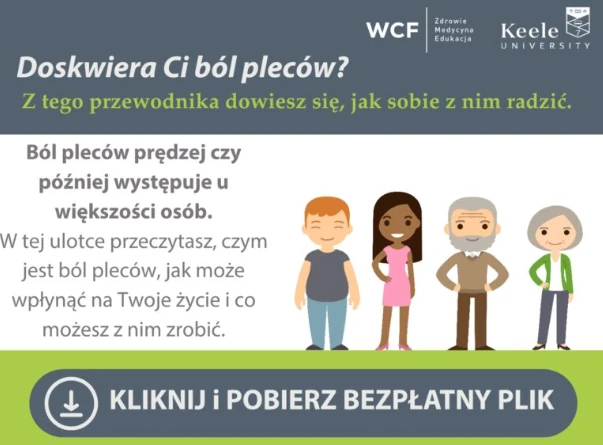
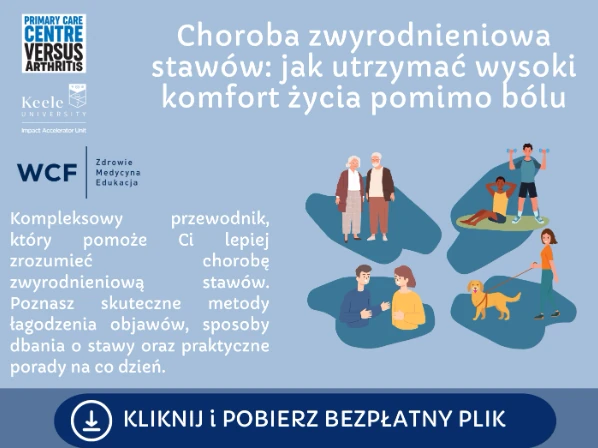
Knowledge that helps

Free resources to download.

Keele University

Resources developed by Keele University
Polish translation: Mateusz W. Romanowski, PhD

09 /Let’s talk

Every collaboration
starts with a conversation

Mateusz W. Romanowski